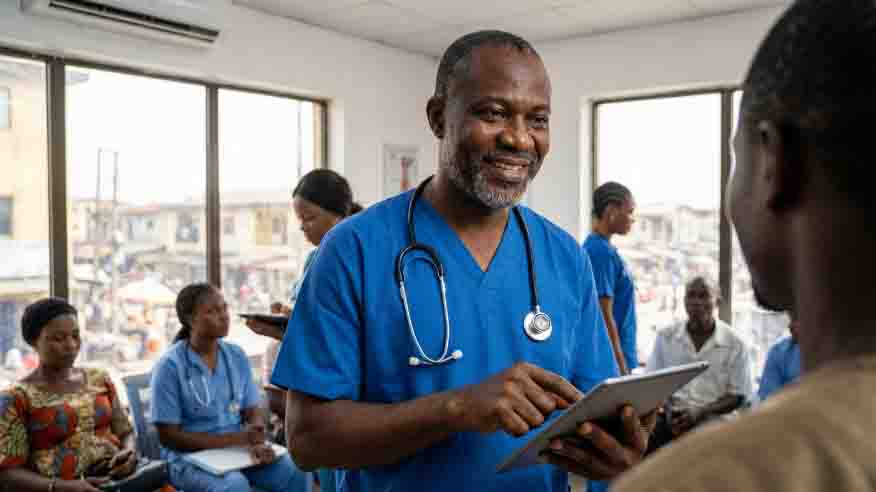

Across Africa, conversations about mental health are slowly gaining ground but when it comes to men, the silence remains loud. Behind strong appearances, many African men are struggling in silence, battling stress, depression, anxiety, and emotional trauma without ever speaking about it.
So why don’t African men talk about their mental health?
1. The Weight of “Being a Man”
From a young age, many African boys are taught one thing: be strong. Crying is seen as weakness. Vulnerability is discouraged. Emotional expression is often replaced with silence.
Society reinforces the idea that a man must be tough, resilient, and unshakeable. Admitting emotional pain can feel like failure. As a result, many men suppress their struggles rather than express them.
This creates a dangerous cycle men feel pain but don’t talk about it, and because they don’t talk about it, the pain deepens.
2. Cultural Beliefs and Stigma
In many African communities, mental health is still misunderstood. Conditions like depression or anxiety may be attributed to spiritual causes such as curses, ancestral issues, or supernatural forces.
Because of this, seeking professional help is often avoided. Instead, individuals may turn only to prayer, traditional healers, or silence.
There is also a strong stigma attached to mental illness. Being labeled “mentally unstable” can affect a man’s reputation, relationships, and even opportunities. So many men choose to suffer quietly rather than risk judgment.
3. The Pressure to Provide
One of the biggest burdens African men carry is the expectation to be providers.
In many societies, a man’s worth is tied to his ability to provide financially. When he struggles whether due to unemployment, business failure, or financial stress it can lead to feelings of shame, anxiety, and depression.
But instead of opening up, many men internalize this pressure. They may feel that talking about their struggles makes them “less of a man,” so they keep everything inside.
4. Lack of Safe Spaces
Even when men want to talk, many don’t know where or how to start.
Unlike women, who often have stronger emotional support networks, many men lack safe spaces where they can express vulnerability without judgment. Conversations among men are often centered on work, success, or surface-level topics not emotions.
Without safe spaces, silence becomes the default.
5. Limited Access to Mental Health Services
In many African countries, access to mental health care is still limited.
There are fewer therapists, fewer awareness campaigns, and less infrastructure compared to other areas of health. As a result, even when men recognize they need help, they may not have access to it.
This gap reinforces the idea that mental health is not a priority.
6. Silent Coping Mechanisms
When African men don’t talk, the pain doesn’t disappear—it simply shows up in different ways.
Many men cope through:
- Substance abuse (alcohol, drugs)
- Aggression or anger
- Isolation
- Overworking
These behaviors often mask deeper emotional struggles, making it harder for others to recognize the problem.
7. The Cost of Silence
The consequences of this silence are serious.
Studies and reports across Africa show that many men suffer from undiagnosed mental health conditions, and in some cases, suicide rates among men are significantly higher than among women.
Behind many “strong” men are untold stories of pain, loneliness, and emotional exhaustion.
What Needs to Change?
Breaking this silence requires a cultural shift—not just from men, but from society as a whole.
- Redefine masculinity: Strength should include vulnerability.
- Create safe spaces: Families, communities, and workplaces must encourage open conversations.
- Normalize therapy: Seeking help should be seen as wisdom, not weakness.
- Support men emotionally: Just as women are supported, men also need empathy and understanding.
A Message to Women
For women across Africa mothers, sisters, partners, and friends you play a powerful role.
Encourage the men in your life to talk. Listen without judgment. Create an environment where they feel safe enough to be vulnerable.
Because when men heal, families heal.
And when families heal, societies grow stronger.
Conclusion
African men are not emotionless they have simply been taught to hide their emotions.
But silence is not strength. True strength lies in expression, healing, and growth.
It’s time to change the narrative.