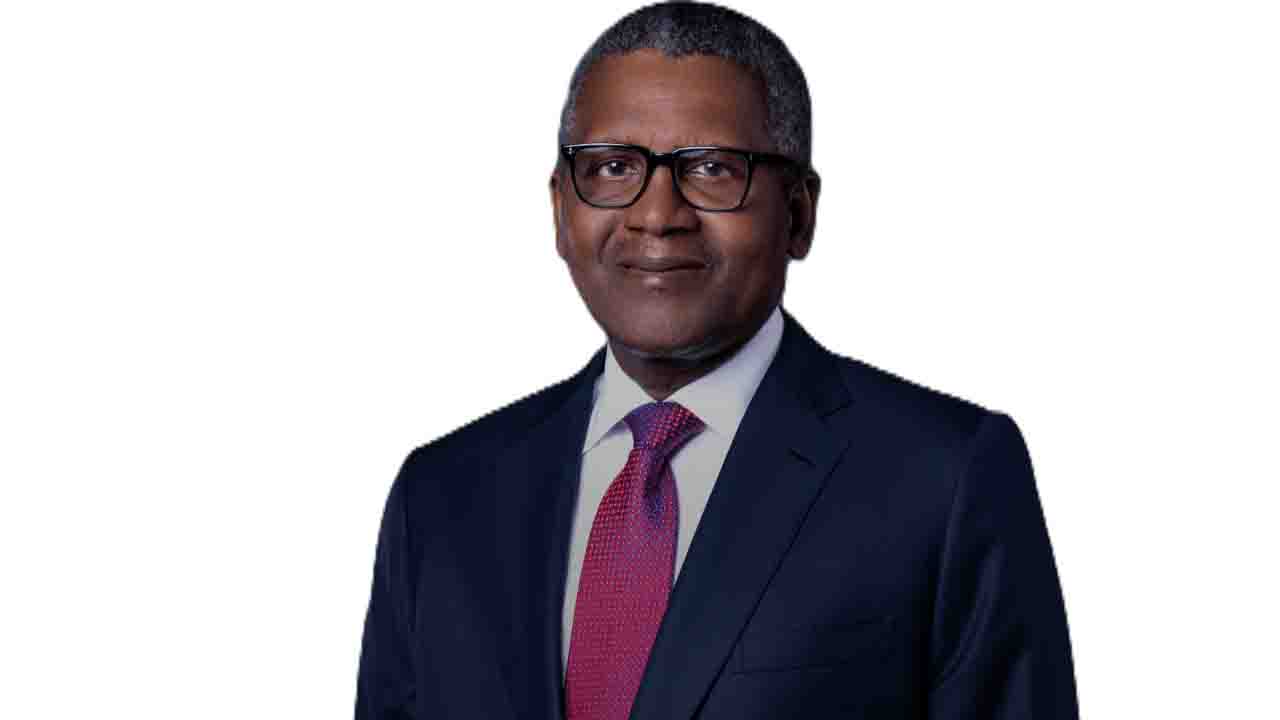
When people think about billionaires, they often imagine luxury homes in cities like London, New York, Dubai, or Paris. For many wealthy individuals, owning multiple properties across the world is seen as a symbol of success. But for Africa’s richest businessman, Aliko Dangote, success took a different path.
Dangote recently revealed that he sold his luxury homes in the United States and the United Kingdom because he wanted to remain focused on building industries in Nigeria. According to him, owning expensive foreign properties came with distractions and responsibilities that pulled attention away from his bigger mission.
His comments offer an interesting lesson for entrepreneurs, business leaders, and ambitious professionals across Africa: sometimes focus matters more than luxury.
Choosing Focus Over Lifestyle
Speaking about his decision, Dangote explained that once he decided to fully commit to industrialization, he simplified his personal lifestyle.
He said owning holiday homes abroad often creates obligations. People feel pressured to visit, maintain, and manage those properties. Even small issues such as maintenance problems can become distractions.
Instead, Dangote chose a simpler system. Wherever he travels, he stays in hotels. When he leaves, he moves on without worrying about broken pipes, maintenance staff, or property management.
For many people, this may sound surprising. Why would a billionaire give up mansions abroad?
The answer appears to be discipline and clarity of purpose.
Building Instead of Consuming
Dangote’s business philosophy has always been centered around production rather than consumption. Instead of focusing on luxury, he focused on building industries capable of reducing Africa’s dependence on imports.
Over the years, the Dangote Group has invested heavily in cement, sugar, salt, fertilizer, oil refining, and other sectors that affect everyday life.
According to Dangote, he constantly asks one important question:
“What are we importing that we should be producing ourselves?”
That thinking led to what economists call “backward integration” producing locally what a country previously depended on foreign markets to supply.
Today, millions of Africans use products connected to Dangote’s industries daily, often without even realizing it.
A Lesson in Long-Term Vision
Another important part of Dangote’s statement was his emphasis on vision and targets.
He explained that his businesses operate with long-term plans, including goals stretching toward 2030. Rather than chasing trends or making random investments, he builds around carefully defined objectives.
This mindset is one reason many entrepreneurs admire him. While many businesses focus on quick profits, Dangote’s approach has often involved years of planning, massive infrastructure investment, and patience.
It also highlights a major difference between wealth and legacy.
Luxury can display wealth. But building industries creates lasting economic impact.
What African Entrepreneurs Can Learn
Dangote’s story is not necessarily about avoiding luxury forever. It is about understanding priorities.
Many entrepreneurs dream of the rewards of success before fully building the systems required for long-term growth. Dangote’s comments suggest that focus, simplicity, and discipline can sometimes create more value than excessive lifestyle spending.
There are several lessons African entrepreneurs can take from this:
- Focus on building productive assets, not just appearances.
- Remove distractions that reduce productivity.
- Create long-term goals instead of chasing short-term excitement.
- Look for problems in society that businesses can solve.
- Think about impact, not only income.
The Bigger African Conversation
Dangote’s comments also touch on a broader issue in Africa: the importance of local production.
For decades, many African economies have depended heavily on imported goods, from food products to industrial materials. Leaders across the continent continue to discuss how Africa can industrialize, create jobs, and strengthen local manufacturing.
Business figures like Dangote believe one solution is building industries that meet local demand within Africa itself.
Whether people agree with all his business strategies or not, his commitment to industrial investment has made him one of the most influential business figures on the continent.
And perhaps the most interesting part of his story is this: while many people associate success with owning more, Dangote believes success sometimes comes from removing distractions and staying focused on a bigger mission

