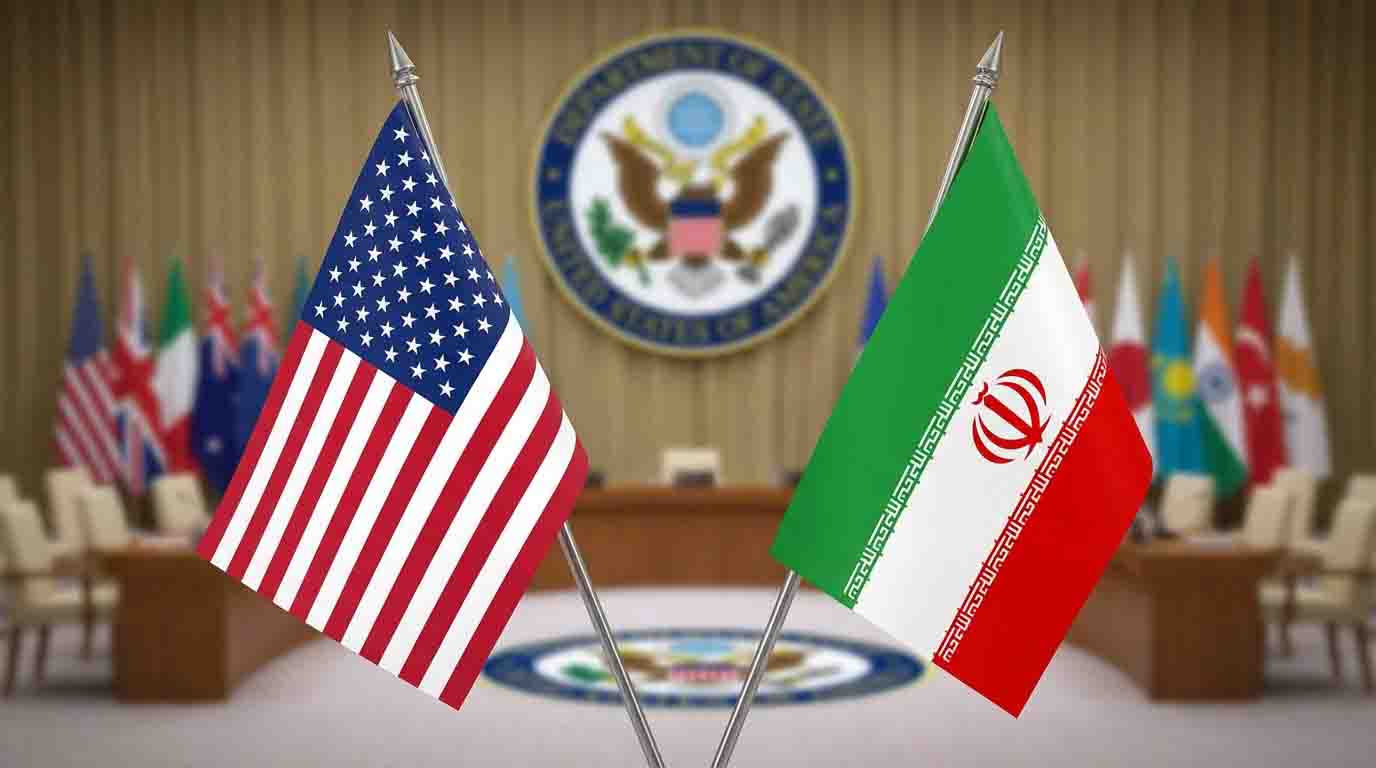
As the conflict between the United States and Iran stretches on, much of the global conversation has focused on oil prices, geopolitics, and security. But beneath the surface, a quieter crisis is unfolding one that could affect everyday life across the world in ways many people are not yet paying attention to.
This is not just an oil story. It is a supply chain story, and its ripple effects are beginning to touch nearly everything we use daily.
From Oil Shortage to Everyday Crisis
The Middle East plays a critical role in global energy supply, particularly through the Strait of Hormuz one of the world’s most important shipping routes for oil and gas. With disruptions in this region, global oil supply has taken a significant hit.
But the real issue goes beyond fuel.
Oil is not just used for transportation it is the foundation of petrochemicals, which are essential in producing everyday items like plastic packaging, clothing materials, medical equipment, and even electronics.
As oil supply tightens, the production of these materials is also being squeezed.
Why Plastic Is Becoming the New Problem
One of the biggest hidden impacts of the war is a shortage of naphtha, a petroleum byproduct used to create plastics and synthetic materials.
Unlike crude oil, naphtha has limited reserves and few alternatives. This means that when supply drops, industries that rely on it manufacturing, healthcare, packaging—feel the impact almost immediately.
The result?
- Rising prices for plastic and packaging
- Shortages of basic materials
- Disruptions in manufacturing
This is already happening in parts of Asia, where much of the world’s production takes place.
The Domino Effect Across Industries
What starts as an oil disruption quickly spreads across multiple sectors:
- Food industry: Packaging materials like plastic wraps and containers are becoming scarce, increasing the cost of food products.
- Healthcare: Essential items like medical tubes and gloves are at risk due to limited raw materials.
- Agriculture: Fertilizer production is being affected, which could lead to higher food prices globally.
- Retail & consumer goods: Products like cosmetics, clothing, and household items are becoming more expensive to produce.
In simple terms, when petrochemicals are affected, almost every industry feels it.
Asia Feels It First—But Not for Long
Asia, being the world’s manufacturing hub, is currently experiencing the earliest signs of this disruption.
Factories are:
- Cutting production
- Delaying orders
- Increasing prices
Some manufacturers are even reducing the amount of packaging they use just to stay afloat.
But this is not a regional problem. Supply chain disruptions tend to move gradually across the globe. What starts in Asia often spreads to Europe, Africa, and the Americas.
Rising Prices and Economic Pressure
As production costs increase, businesses are left with two choices:
- Absorb the losses
- Pass the cost to consumers
In most cases, the burden is already shifting to consumers through higher prices.
Fuel costs are rising. Goods are becoming more expensive. And inflation is creeping up again at a time when many economies are already under pressure.
Why This Crisis Is Different
Unlike previous shocks, this situation is not just about price it’s about availability.
Even when countries release emergency oil reserves, it does little to solve shortages of byproducts like naphtha. And without these materials, production lines slow down or stop entirely.
This creates a new kind of risk: not just expensive goods, but missing goods.
Businesses Are Running Out of Options
Many companies are trying to adapt:
- Switching to alternative materials like paper or glass
- Reducing production
- Waiting in hopes that prices will stabilize
But these solutions come with challenges. Alternatives are often more expensive, harder to source, or require time to implement.
For smaller businesses especially, survival is becoming uncertain.
A Slow-Moving Global Impact
What makes this situation particularly concerning is how gradually it unfolds.
Unlike sudden crises, this one moves step by step:
- Oil supply disruption
- Petrochemical shortage
- Manufacturing slowdown
- Consumer price increases
- Global economic strain
By the time it becomes visible to everyone, the impact is already widespread.
What This Means for Africa
For African countries, many of which rely heavily on imports, the effects could be significant:
- Higher fuel and transportation costs
- Increased prices for imported goods
- Pressure on local businesses and manufacturing
- Rising cost of living
This makes it even more important for policymakers and entrepreneurs to start thinking about local production, diversification, and resilience.
Conclusion
The U.S.–Iran conflict is not just a geopolitical issue it is a global economic trigger.
While headlines focus on oil prices and military tensions, the deeper story is about supply chains, manufacturing, and the cost of everyday life.
The real impact of this war may not be felt in headlines but in the price of food, the availability of products, and the pressure on economies worldwide.
And that is the part nobody is really talking about.


